During menopause, our bodies experience a decline in oestrogen production, which can lead to a number of physical and hormonal changes. These can include hot flushes, brain fog, mood changes, weight gain and an increased risk of osteoporosis and cardiovascular disease. While no single food can prevent or cure menopause symptoms, simple dietary changes can help support your body through this transition. So, here are my top 5 foods to include more of in your diet during menopause!

1. Tofu
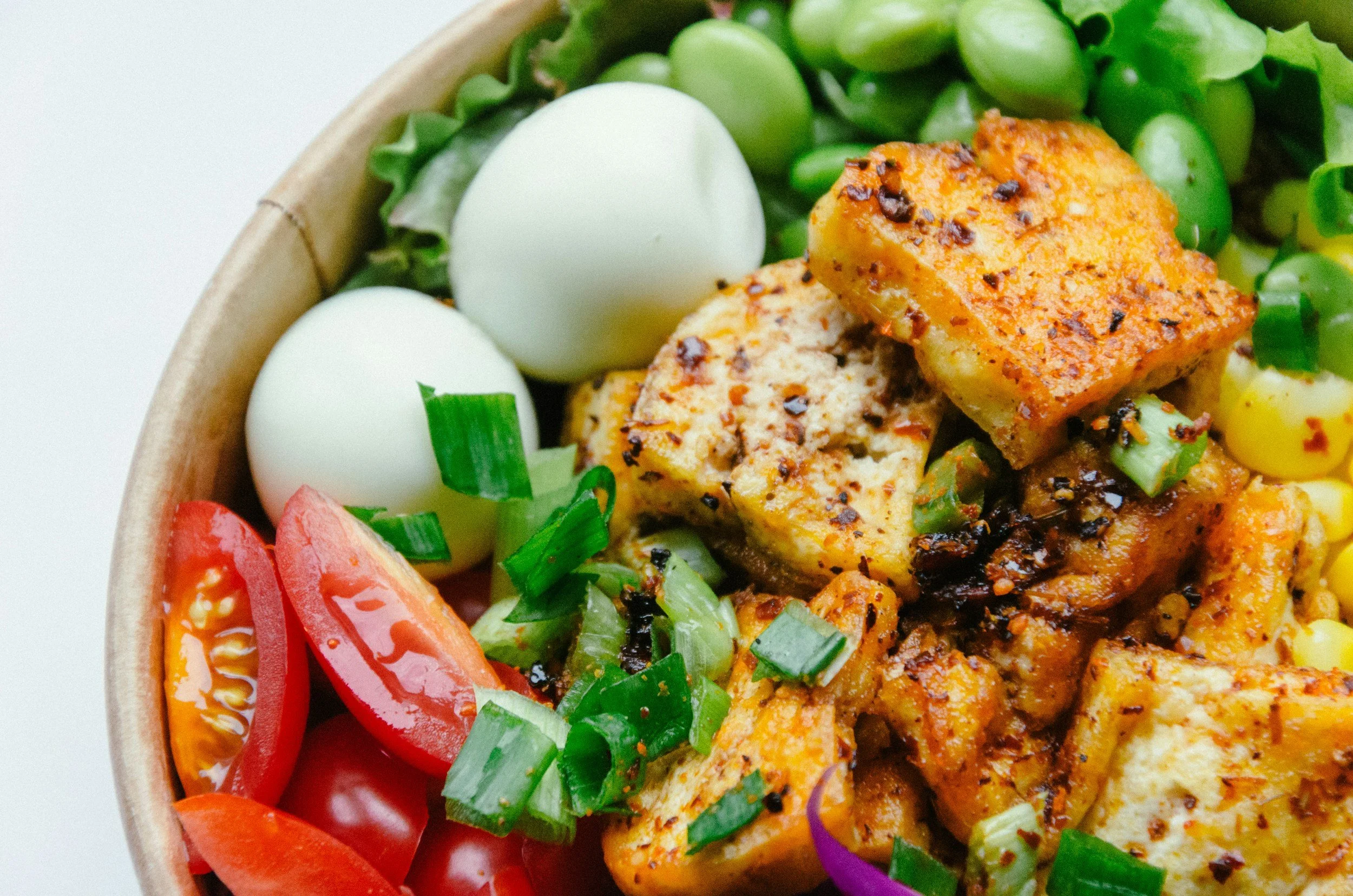
As we start to age, our muscle mass begins to naturally decline; this means that getting enough protein becomes increasingly important, especially during menopause. Including good sources of protein in your daily diet can help maintain muscle and keep you feeling fuller for longer, which can also help with weight management. One great option is tofu! Tofu is not only a fantastic plant-based source of protein, but it is also rich in isoflavones. These naturally occurring plant compounds, known as phytoestrogens, have a similar structure to oestrogen and can have mild oestrogen-like effects in the body. Some research suggests that soy isoflavones may help reduce the frequency of some menopausal symptoms such as hot flushes in some women.
2. Oily Fish
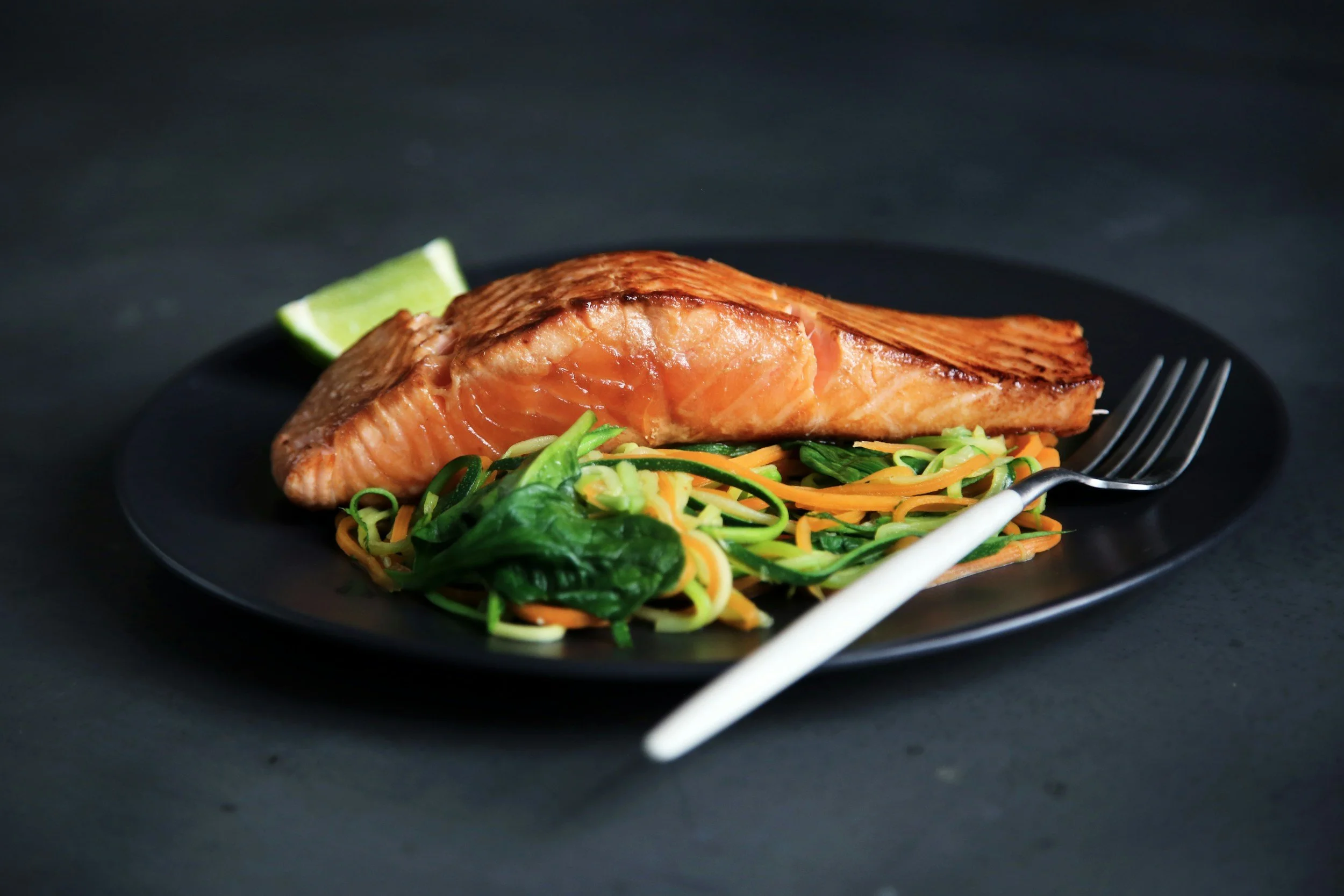
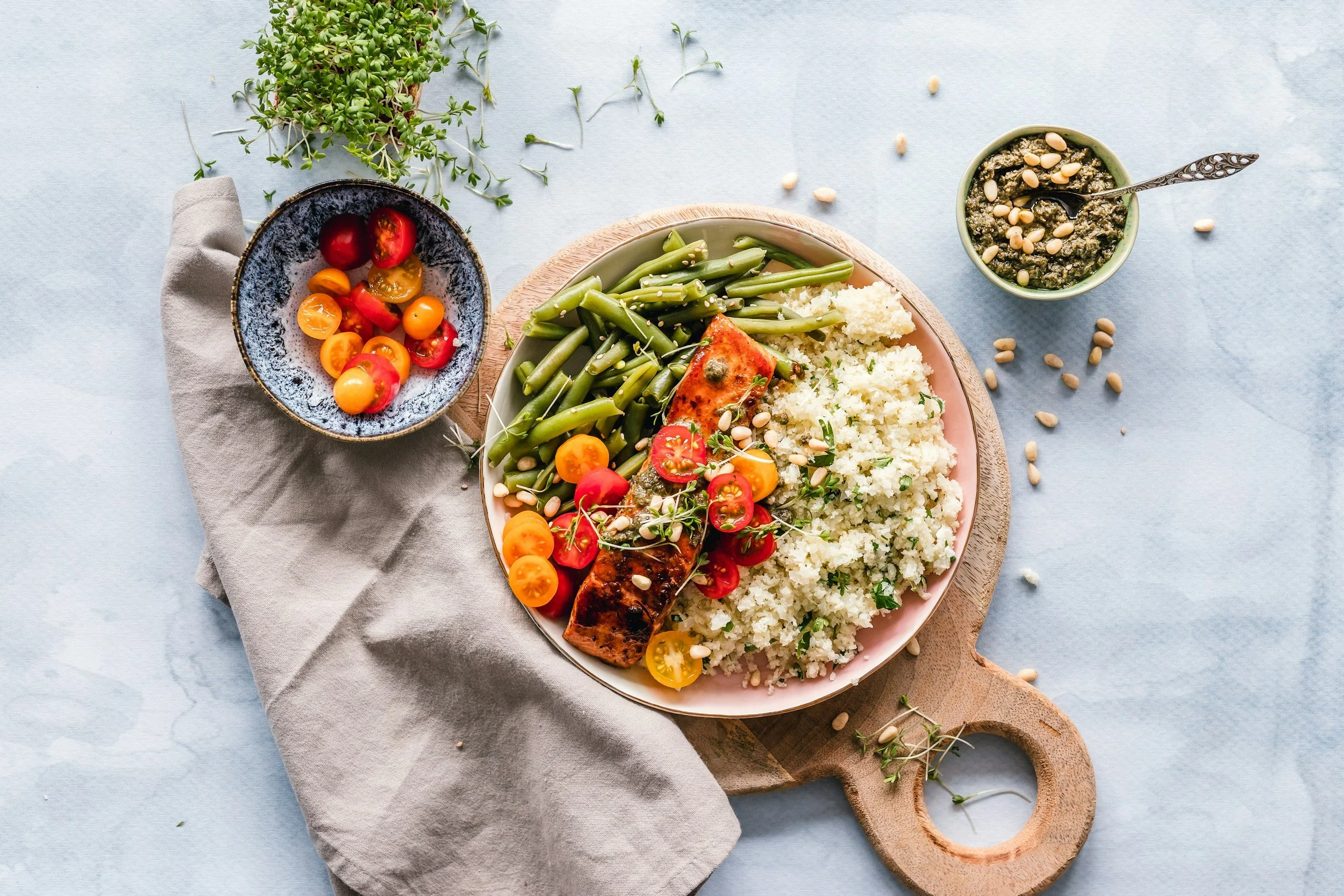
Oily fish are rich in omega-3 fatty acids, particularly EPA and DHA, which support brain and heart health. Getting enough omega-3s can support normal brain function, cardiovascular health, and inflammation regulation. This is particularly important during menopause, when women experience changes in cardiovascular risk and may notice increased joint discomfort.
Great options include:
● Salmon
● Sardines
● Mackerel
● Trout
Not a fish eater? Don't worry! Plant-based sources of omega-3 include flaxseeds, chia seeds and walnuts. These contain ALA, which the body can convert into EPA and DHA.
3. Dairy Products
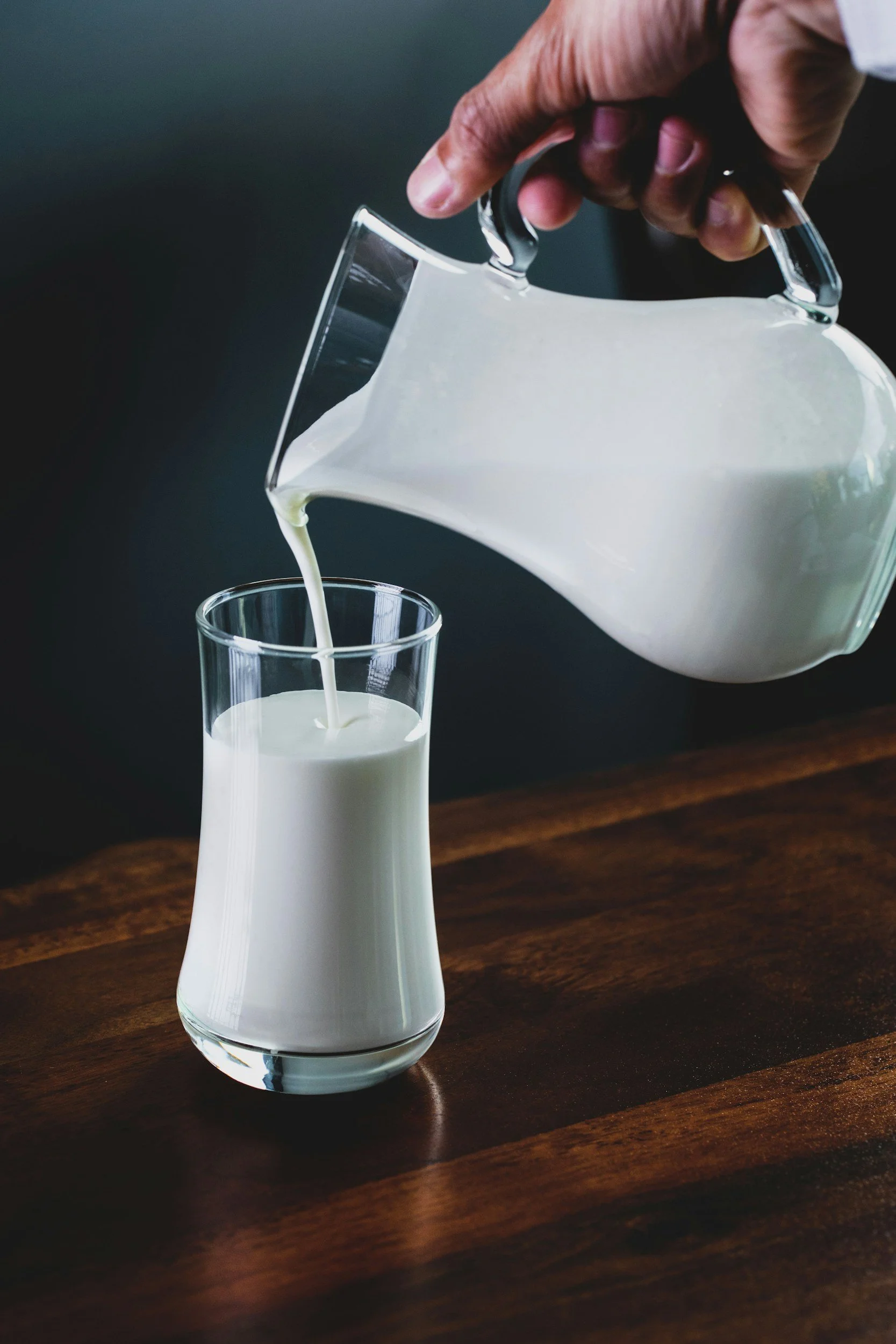
As oestrogen levels decline during menopause, the rate of bone loss can increase, putting women at greater risk of osteoporosis. This makes calcium particularly important! Calcium is essential for maintaining strong bones, so including calcium-rich foods in your daily diet is a great way to support your bone health.
Good options include:
● Milk
● Greek yoghurt
● Cheese
● Calcium-fortified plant-based milk alternatives.
If you choose dairy-free alternatives, check the label to ensure they ar’re calcium-fortified. Give the carton a good shake before pouring, as added calcium can settle at the bottom! And don’t forget to get out in the sun! Vitamin D is also important, as it helps your body to absorb calcium.
4. Wholegrains
Declining oestrogen levels are associated with changes in cholesterol levels and an increased risk of cardiovascular disease. Adding more wholegrains to your diet is a great way to support heart health. Wholegrains are rich in fibre, which can help reduce LDL (bad) cholesterol. Their fibre content helps regulate blood sugar levels and slows digestion, helping you feel fuller for longer.
Some great options include:
● Oats
● Brown rice
● Quinoa
● Wholegrain breads and pasta
Try swapping refined carbohydrates such as white rice, pasta and breads for their wholegrain alternatives wherever possible.
5. Fruit and Vegetables
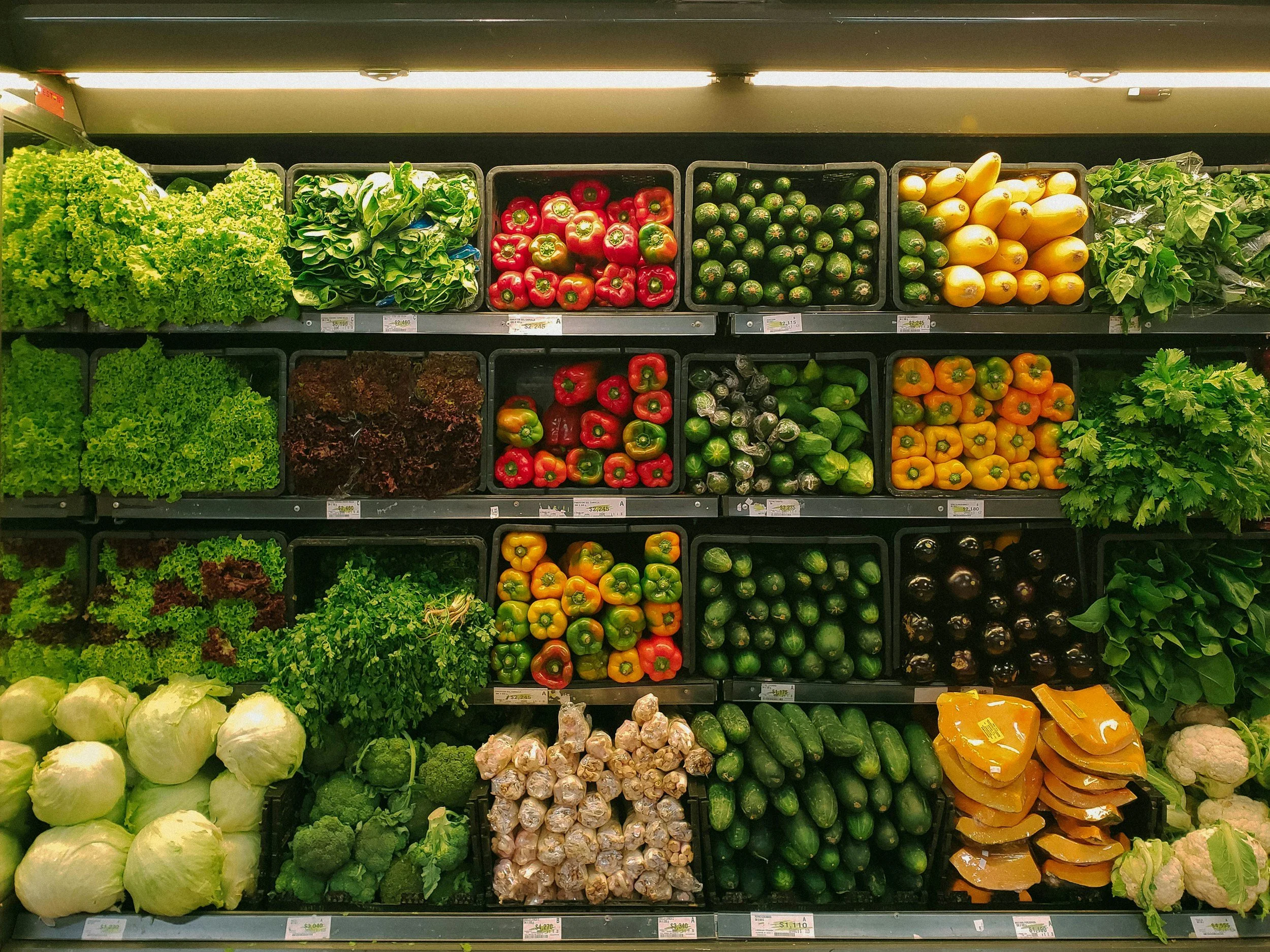
Last but certainly not least, fruit and vegetables! These are packed with fibre, antioxidants, vitamins and minerals that help support overall health during menopause. Antioxidants help protect our cells from oxidative stress, while fibre supports gut health, helps regulate blood sugar, and can contribute to healthy cholesterol levels to reduce the risk of cardiovascular disease. Try to eat a variety of different coloured fruit and vegetables to maximise the range of nutrients you're getting. Aim to include a variety of colours throughout the week!
Menopause is a time when your body goes through many changes, and the right support through food can make a real difference to your long-term health. Focus on eating a balanced diet with plenty of protein, fibre, healthy fats and a variety of fruit and vegetables.
Remember, it's not about restriction or following another fad diet. It's about nourishing your body and supporting it through this next chapter of life!